 Pocket72
Flood
Rising water, cars and cellars: where to go and what to avoid
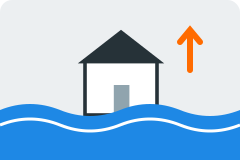
Floods can come fast after heavy rain, even far from rivers. Most victims are in cars, in cellars or on flooded roads. The rule is simple: go up, never down, and stay away from moving water.
Before
- Find out whether your home, school and workplace are in a flood area.
- Keep important documents in a waterproof bag, up high.
- Know the safe upper floors or high places near you.
- Keep valuable things and chemicals off the floor if your area floods.
During
- Do not go down to cellars, garages or underground car parks.
- Go to the upper floors. Do not use the lift.
- Do not walk or drive through flood water. Just 15 cm of fast water can knock an adult down, and 30 cm can float and carry away a car. You cannot see holes, open manholes or debris under the water.
- Switch off electricity and gas only if you can do it without touching water.
- Stay away from rivers, bridges and embankments.
- Follow the authorities and do not leave a safe place until they say so.
After
- Do not enter flooded buildings until they are declared safe.
- Avoid contact with floodwater: it can carry sewage, fuel and sharp objects.
- Do not drink tap water until your municipality says it is safe. Throw away food that touched floodwater.
- Photograph the damage before cleaning, for insurance.
- Do not switch the power or gas back on if the system got wet: ask a qualified technician to check it. Never run a generator, stove or barbecue indoors: carbon monoxide.
Common mistakes
- Going out to move the car during the flood.
- Crossing a flooded underpass "because it does not look deep".
- Going back home too early to "save things".
Checklist
- Waterproof bag with documents
- Boots and gloves
- Flashlight and radio
- Plan for going upstairs or to high ground
- Phone numbers of family on paper
Sources
- Protezione Civile – Io non rischio
- Ready.gov (FEMA, U.S. Government, public domain)
- BBK (Germany) – Ratgeber für Notfallvorsorge und richtiges Handeln in Notsituationen
Pocket72 does not replace the authorities or the emergency number. In danger, call 112 (or your local number) and follow official instructions. No medical advice, no medicine doses and no wild plants: take a first-aid course.