 Pocket72
Hygiene with little water
Hands, toilet and waste when water and power fail
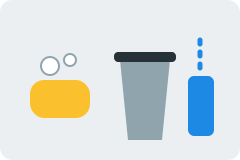
When water is short, diseases spread more easily. Clean hands and safe waste are a priority, even more than personal comfort.
Hands
- Wash hands with soap before eating and cooking and after using the toilet.
- If there is little water, use a jug or a bottle with a small hole as a tap, and catch the water to reuse it for the toilet.
- Hand gel helps when there is no water, but does not clean dirty hands.
Toilet without water
- If the toilet cannot be flushed, put a strong bin bag in the bowl or in a bucket.
- After each use, cover with a little sawdust, cat litter or soil, and close the bag.
- Keep the full bags closed, in a cool place away from food, until there is a collection.
Waste and cleaning
- Keep food waste separate in closed bags to avoid insects and smells.
- Wash surfaces with soap first, then disinfect with a weak bleach solution following the label, and rinse the surfaces where you prepare food.
Personal care
- A washcloth and a little water are enough for a daily wash.
- Keep sanitary pads, nappies and wet wipes in the kit.
Common mistakes
- Pouring toilet waste in the garden near water.
- Using the same water for washing hands and food.
Checklist
- Soap and hand gel
- Strong bin bags and a bucket
- Cat litter or sawdust
- Wet wipes, sanitary pads, nappies
- Disposable gloves
Sources
- CDC – Water in emergencies
- Sphere Handbook (2018) – water, food and shelter standards
- Istituto Superiore di Sanità – EpiCentro
Pocket72 does not replace the authorities or the emergency number. In danger, call 112 (or your local number) and follow official instructions. No medical advice, no medicine doses and no wild plants: take a first-aid course.